

Jan 26: The diabetic, the silent killer is prevalent in almost 95% of the total population of the world regardless of the age. There are many factors to attribute mainly the tension, life style, lack of exercise and the food habit. Although several researches have been conducted to root out the disease, nothing could be done. Only thing we can do is to control the disease by changing the food habits, life style, sedentary life, avoiding tension as far as possible, doing minimum 30 minutes of regular exercise or brisk walk but cannot be eradicated completely once it is affected.
Here are some foods have recommended to beat the diabetes. Have the disease, or simply want to lose weight? The following foods can help:
• Whole Grains: Not all carbs are bad. Foods made with whole grains, such as whole-wheat bread and brown rice, are sources of filling fiber (aiding weight loss, which can reduce your diabetes risk) and nutrients such as potassium, which helps the pancreas release insulin, the hormone that helps your cells use glucose for energy.
• Fish, Eggs, Poultry: Carnivores, rejoice: These foods (poultry without the skin) are fair game in a diabetes-friendly diet. Why? Because they’re high in protein (result: full stomach) but typically low in fat (result: better weight management). Fatty fish also contains omega-3 fatty acids, which cut down on cardiovascular problems that can accompany diabetes.
• Fruits: These sweet treats aren’t forbidden. Although they do contain sugar, the rate at which it enters the bloodstream is slowed by fiber. Fruits with a red, blue or purple hue might be particularly beneficial, because they’re loaded with anthocyanins, compounds that heighten your body’s sensitivity to insulin.
• Nuts and Seeds: Craving a snack? Grab a handful of nuts. Even though they’re high in calories, they’re also packed with filling protein and healthy fat that can help keep your weight in check. If you’re a fan of walnuts, you’re especially in luck, because their high level of polyunsaturated fatty acids improves the body’s sensitivity to insulin.
• Green Leafy Vegetables: Pretty much everyone, with or without diabetes, should eat a lot of veggies-ideally at least three servings per day-and green leafy types, including spinach, kale and such salad staples as romaine, should top the list. They have high fiber and water content that satiates your appetite on fewer calories, and they’re an important source of magnesium, which improves the body’s ability to turn glucose into energy and keep your metabolism humming (a process that is impaired in people with diabetes).
• Legumes: Beans, lentils and other legumes provide blood sugar-stabilizing fiber and are a great source of protein and other nutrients, including potassium. They also are very low in saturated fat, making them a good substitute for meat.
• Healthy Fats: Because diabetes raises your risk of heart disease, it’s smart to avoid saturated fats (found in meat, butter and full-fat cheese and milk products) and trans fats (margarine), which raise your LDL cholesterol levels. Switching to heart-friendly monounsaturated fats (found in olive and canola oil and avocado) and polyunsaturated fats (corn oil, safflower oil) will lower your LDL cholesterol levels.
• Low-Fat Dairy Products: One eight-year study found that postmenopausal women who consumed the greatest amount of low-fat dairy were least likely to develop type 2 diabetes (full-fat dairy had no beneficial effect). Experts theorize that’s due to the vitamin D and calcium, which improve sensitivity to insulin.
Natural remedies for Diabetes


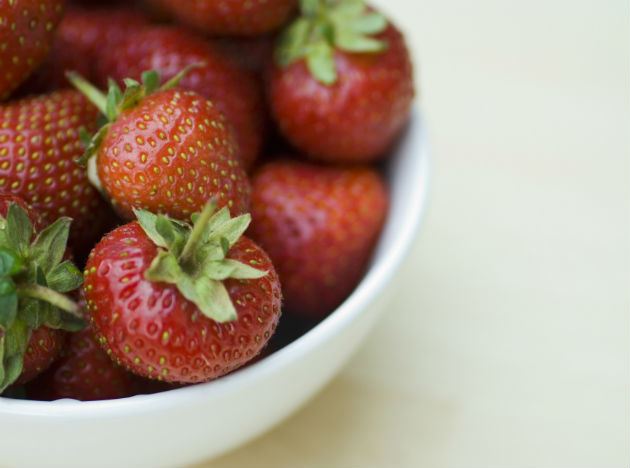


Try these healthy nibbles
- 1 6-oz. container low-fat vanilla yogurt topped with ½ cup berries
- 3 medium stalks celery topped with 1½ Tbsp. (total) peanut butter
- 1 100-calorie mini bag popcorn
- 1 medium apple and 12 almonds
- ½ cup grapes and 1 oz. string cheese
Try these sensible treats
- 1 low-fat ice cream sandwich (such as Skinny Cow)
- 1 4-oz. fat-free vanilla pudding cup topped with ½ cup fresh berries
- 1 100-calorie cookie pack with 4 oz. skim milk
- 1 cup strawberry sorbet
BONUS: 5 Foods to Avoid
Although no food is totally taboo, keep these five to a minimum.
• Red meat has long been associated with type 2 diabetes. A 2011 Harvard University study found that people who increased their red-meat intake by 3½ servings per week had a nearly 50 percent higher risk of developing the disease.
• Starchy vegetables, such as potatoes, corn and peas are high in calories and carbs compared with the leafy variety. Add peas sparingly to a salad (instead of eating them solo) or eat just half a baked potato (including the skin, which contains fiber).
• Refined grains (found in white bread and most pastas) and concentrated sources of sugar (in sweets) are quickly converted into glucose, leading to a spike in blood sugar.
• Fruit juice has sugar but little or none of fruit’s filling fiber, which slows the absorption of sugar into the body. The result? A sugar high that doesn’t quell your appetite.
• Soda…both regular and diet. Numerous studies link consumption of artificially sweetened beverages to an increased diabetes risk.
