
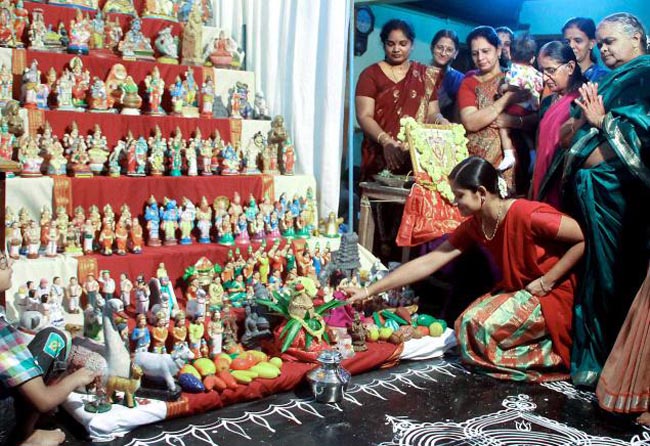
To tell you the fact that most of us don’t know why we go to the temple to worship, offer flowers/fruits, perform Aarati and ring the bell. Many of us are under the impression or of the notion that everybody is going and praying and we should also visit the temple and enjoy the atmosphere over there without knowing the importance of visiting the temple.
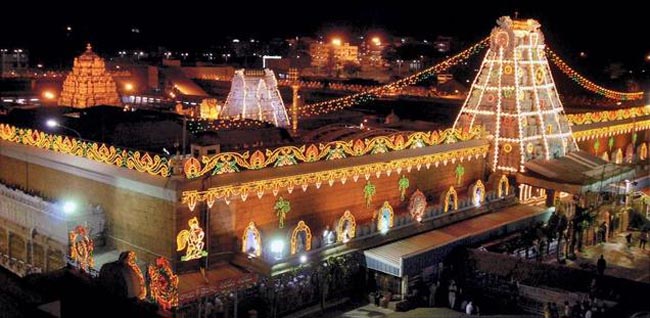
Tirupati Sree Balaji Temple
However their inner feelings say that there is some power, energy and an individual, who worships some form of God according to his religious tradition and belief, and people gathering in one place to collectively offer obeisance to God for the fulfillment of their desires, are intrinsic to Indian culture.
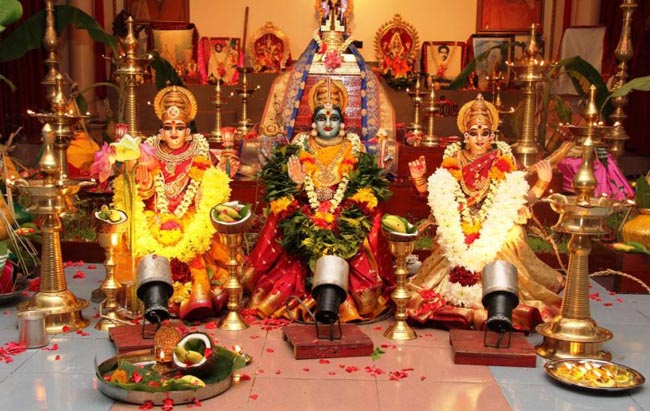
People criticize those who go to the temple saying that if God is all pervading, He must be equally present everywhere! We are not worshipping the stone idol in the temple, but the presence of God within that form. The temple & the idol are simply to bring in our minds, an awareness of the presence of God.
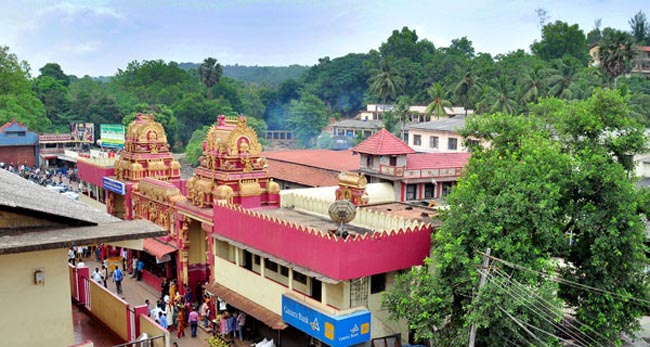
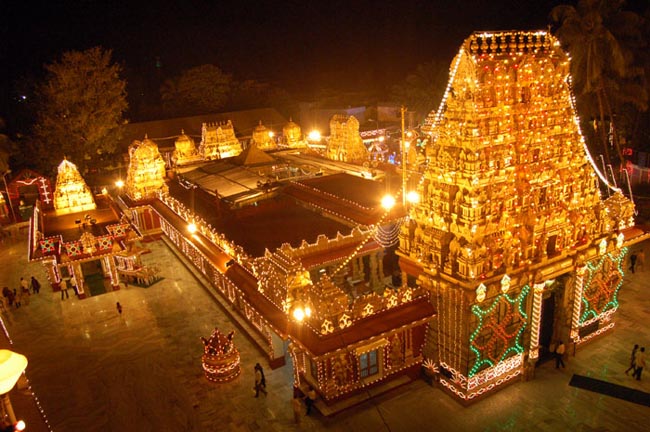
Kateel Sree Durgaparameshwari Temple
Many people keep a picture of their family or someone they love, in their purses or offices. For them it invokes all memories of love & joy associated with their loved ones and brings their presence into their minds. This is also a kind of idol worship.
In the same way, the function of the temple and of the idol is to invoke in our minds, the awareness of God’s presence. Even though the form is outward, the awareness and knowledge of God takes place within our minds. This purifies our mind and prepares it to understand that this Truth is everywhere.
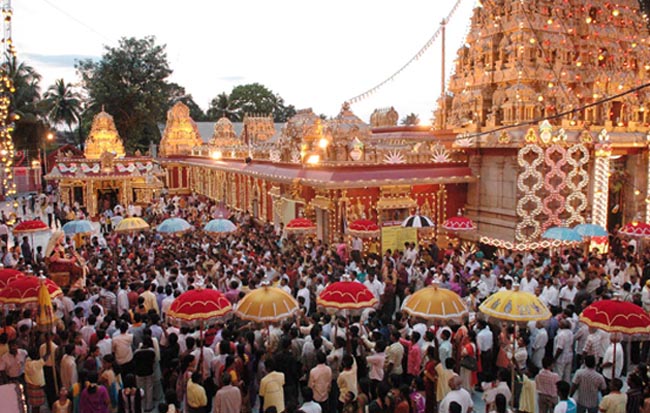
In ancient days, besides fulfilling the spiritual needs of a person, the temple was a place for secular learning, for lectures, dedication of music and dance. The temples of those days were like the community centres of today. Renovation and preservation of temples are rooted in our culture. They are symbols of faith which fetch peace and have given our country, a distinct identity.
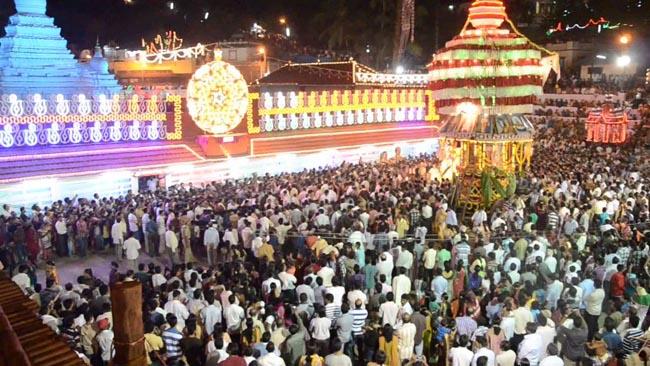
Kadri Sree ManjunathaTemple
Another significance of the temple is its structural representation of the human body. The temple represents the physical body and the heart is the Sanctum Sanctorum where we experience the Lord’s presence. In South Indian temples, even though the temple may be large, the main idol is kept in a small dark place.
Only by offering camphor light, the form of the Lord can be seen. The significance is thus explained. God who is seated in our heart is covered by the darkness of our ignorance. We do not see or know Him. The camphor burns all the negative tendencies and impressions in our minds. The fire of knowledge is kindled within us and the ego gets burnt. In the light of that Knowledge, we behold the Lord.

When the camphor –flame is shown round, we put the hands over it and touch our eyes. This signifies that we want to keep permanently in our eyes, the light in which we saw the Lord. Whatever we see with our eyes goes into the heart. So now we have this new vision of Lord everywhere, in whatever we behold.
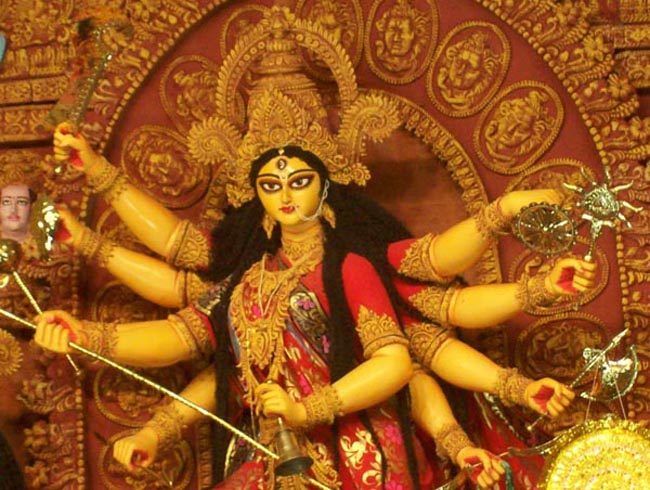
We put money in the plate on which the camphor-flame is passed around. That is because we become generous when we gain the greater vision of the world. We want to share our wealth and possessions with others.
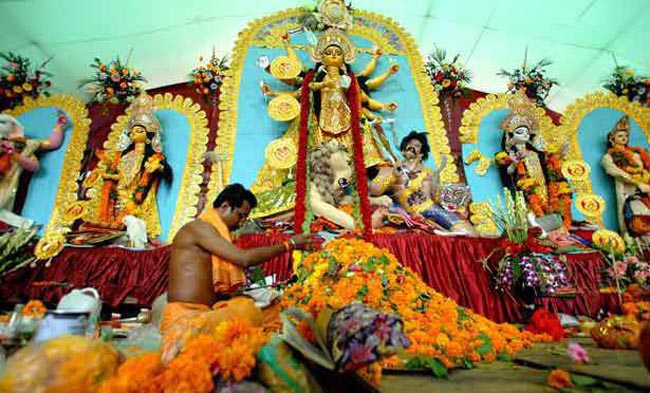
The food that has been offered to the Lord becomes prasada, and our partaking this prasada indicates the blissful peace that we experience upon realization of God. Prasada means purity, cheerfulness, bliss and peace. That is what we gain after looking at the idol and experiencing peace in our hearts.
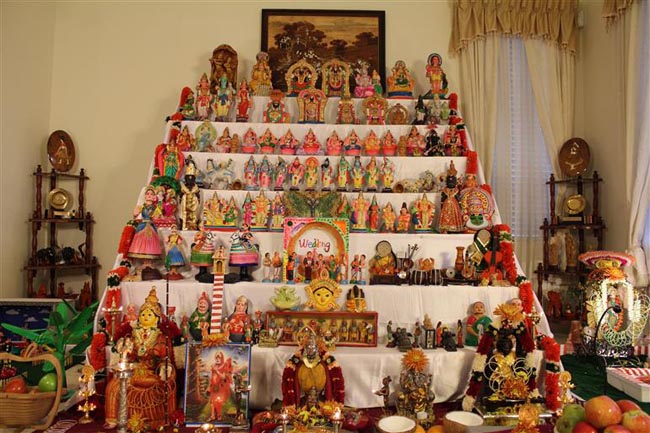
Further, we also had doubts on many day to day rituals like do pranamam to God, put Sindhoor on our forehead, take Charanamruth (Theertham-holy water),bow for Shataari(God’s feet) etc.Questions like these and rituals that are confusing to young children are being passed on from one generation to the other continuously. But very few adults make an effort to provide answers to these questions and explain the meaning behind such rituals prevailing in our way of life. One genuine reason is that many adults also don/t knows the importance of all these rituals and practices which have been in our tradition for thousands of years.
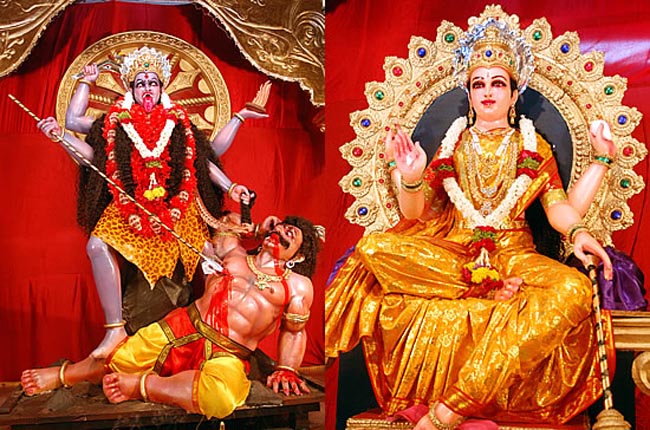
Temple is a place where Devathas (gods and goddesses) are invoked. In Sanskrit this invocation process is called “Prathista”. During the prathista gods and goddesses are invited to the place where the temple has been built and the specific gods and goddesses are asked to be present in the Vigrahas (idols) that are made of black stone or marble stone. All this process of inviting gods and goddesses to be in the Vigrahas is done with the Veda Mantras, sacred rituals, and Homas (fire sacrifice/prayer). It is the power of the Veda Mantras recited and chanted by learned priests that transform mere stone forms into Devathas.

Many Hindus worship and pray at home. It is usual practice to have small prayer room in any Hindu home. Mostly devathas (gods and goddesses) that are in ones’ prayer room at home are pictures of devathas framed. Also, there are small idols in gold, silvers, brass, panchalohas (made of five metals) in different sizes. Very few people will have the vigrahas that were given pranaprathista by the Acharyas (saints). Most of the people buy the virginals that are sold in markets and directly worshipped at home. Without the pranprathista vigrahas are equivalent to decorative dolls.
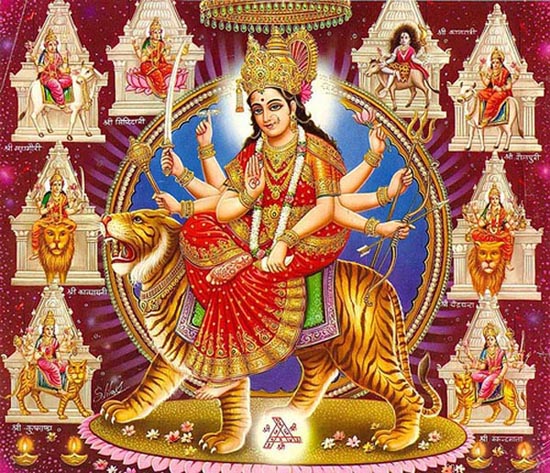
When we go to a temple we will see many other devotees who come to worship and pray. Because of devathas’ presence there is already enormous amount of energy that doesn’t exist at home. Ever persona carries some amount of energy. When enormous energy of devathas and little energy of humans combine at one confined place, the amount of energy that is totaled becomes huge. In addition to this, chanting of Veda Mantras, recitation of sthothras, singing of songs and bhajans, performances of traditional dances, etc. add extra energy to the place. Also, the prasadam cooked in the temple is done cleanly with devotion, only certain types of food is cooked and offered to devathas, and everything is kept clean. Devotees receive Theertham (sacred water) which is nothing but the water that devathas have been bathed. Also, their heads are touched with a silver hat (Shatari, which is nothing but the Holy feet of God). These two blessings take away the sins and purify devotees forever. One aspect that underpins all these activities is to create a sacred environment in the temple, because devathas are there all the time.
At home we are at more liberty. There are rarely any scope of Vedamantras being recited by Veda pandits, many devotees come together to worship and pray, food cooked with sanctity, place is kept clean, etc. Many materialistic activities that are non-sacred take place at home. Watching TV, eating meat, talking loud, using bad language, walking with shoes all over the house, etc. are just some of them. All these humanly activities will not help in creating the energy that we have in a temple.
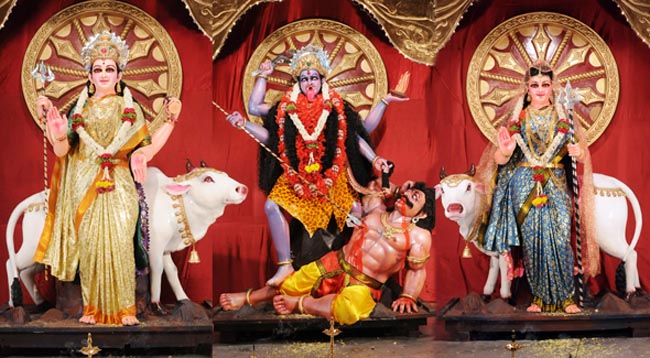
The above two scenarios indicate the difference between the devathas at temple and devathas at home. So, when we worship at temple we are worshipping not idols, but worshipping devathas. Since the devathas at temple were invoked with Veda Manthras, what one sees in a temple is not a stone idol but actual devathas. On the other hand, what many people at home have are pictures and idols of devathas. The energy that we get in contact with at the temple is far superior to what we get at home. The Holy Water, Blessing, Prasadam that we get at temple cannot be found at home.
That means when we are in the company of devotees and good people, we will have no attachment to this world. When there is no attachment to this materialistic world, our mind will be calm and peaceful. When our mind is calm and peaceful we will be liberated from this world.
Shekar Moily